How to Recover From Burnout
I'm no stranger to burnout. I've been there many times.
And after 20 years of working on people's bodies and getting to know mine deeply, I believe that the body doesn't make mistakes. Symptoms that appear are signals.
And I don't think burnout is simply a shout for rest. It's a signal that we've drifted off course.
We're not just doing too much. We're doing too much of the wrong thing.
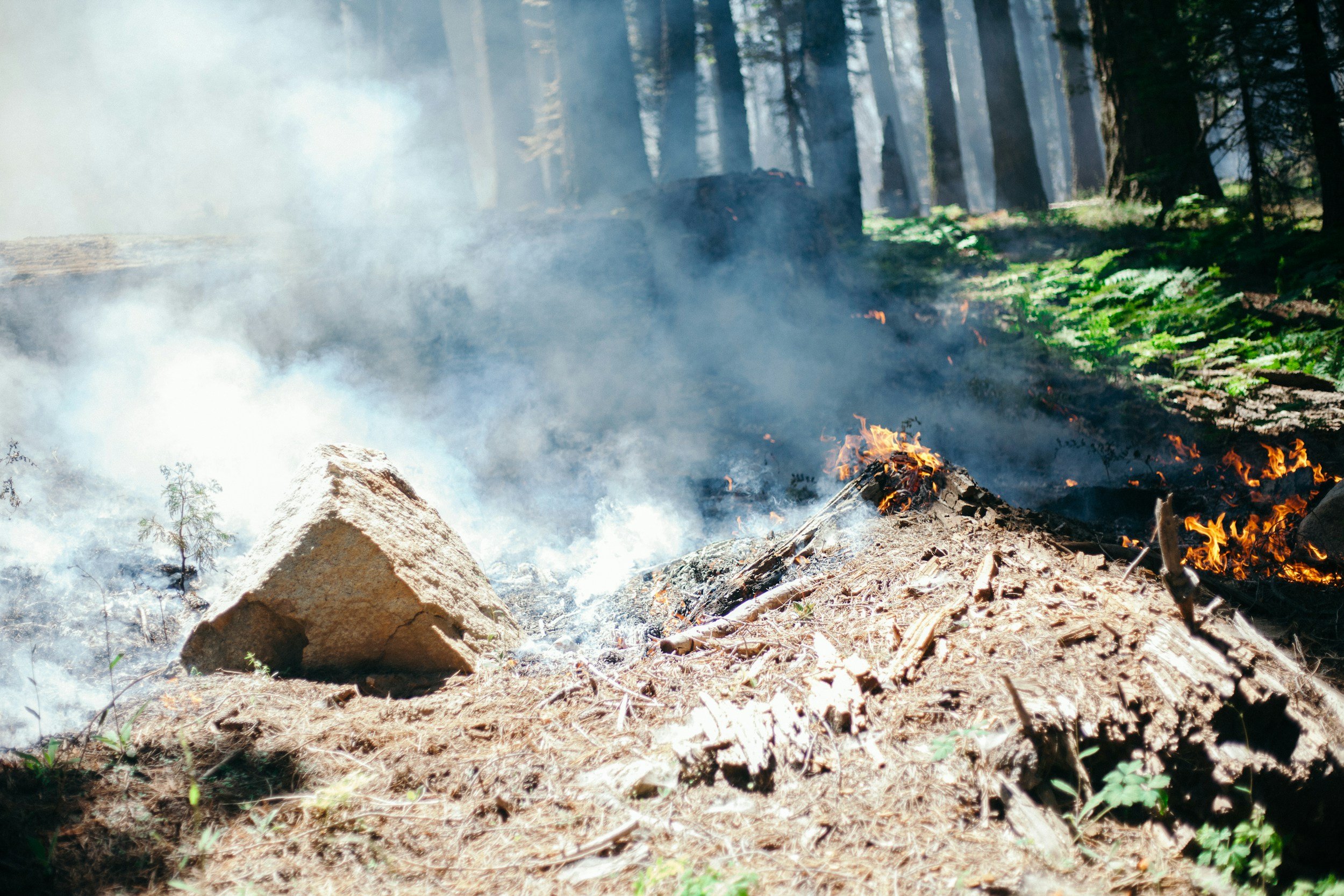
The rest narrative is a trap
From WebMD: You know you are burnt out when deep physical and mental exhaustion does not go away with a good night's sleep or a short break. You might feel totally drained, lose interest in things you usually like, and feel cranky or detached from your daily life.
The typical advice is: Take a week off. Get a massage. Go on a retreat. Do less. Set a boundary.
None of this is bad advice, but all of it treats the symptom.
Rest can settle a nervous system for a few days. It cannot re-route a life or business that's structurally pointed at the wrong thing.
You'll come back from the retreat, the sabbatical, the long weekend — and immediately end up right back where you started. (sound familiar??)
This is the 'imperialist white supremacist capitalist patriarchy' (h/t bell hooks) model at work:
Burn out, stick on a band-aid, go again.
Hustle culture tells you to optimize your recovery instead of questioning the system that required it in the first place. It puts the blame on the victim.
Burnout is data
Burnout shows up when the direction of your energy drifts from your actual values. The body often registers that before the mind does.
I want to be careful here, because "realign with your values" is a privilege — not everyone gets to hold it. In our world, most people aren't in their line of work because they're passionate about it. They're in it because they need a paycheck to survive, and we’ve gotten to the point where earning enough leaves very little time for anything else. That's capitalism doing exactly what it's built to do: forcing people into an exchange of time for survival, so a few people at the top can get rich.
So I'm not telling you to quit and follow your bliss. That framing puts the burden on you and lets the system off the hook.
When something is off, the first question to ask is: who benefits? When it comes to burnout, it's rarely you.
But here's what's worth sitting with: even people who love their work burn out. Because there's still a mismatch — just a different one. Not between you and the work, but between work and the rest of your life. Work trumps family and rest and hobbies. Profit trumps the work itself. Or maybe the mismatch is in the methods — following a script that was never yours, doing the work in a way that isn't actually you.
I've been there — loving my work, still depleted by it. Sometimes I could course-redirect completely. Other times, what helped me inch back was one tiny thing, done consistently: a walk with a friend, time in the garden, a weekly coffee date. Something that didn't extract more energy, but pointed me back toward my values.
the redirect:
If burnout is a signal that you're drifting from the things that matter to you, the question isn't how do I rest enough to keep going. It's how do I start to redirect?
If you have the privilege of redirecting — spend it. Have the courage to change the thing, not just cope with it.
If you're bound by the constraints of capitalism, the question shifts: what's one tiny thing you can do that is fully in alignment?
Either way, it requires being clear on what actually matters to you.
Burnout isn’t the problem. It’s simply a messenger.
Want more of this kind of thinking in your inbox?
Weeklyish Musings goes out roughly once a week with reflections on building a business + life that doesn't ask you to extract from yourself to survive.